Online Casino Software Providers: What iGaming Technology Vendors Deliver
I tested several iGaming software provider stacks. In practice, a casino software provider bundles the online casino software pieces: iGaming platform, casino technology provider tools, and integrations, usually via APIs and content feeds.
Casino Platform Provider vs Online Casino Platform: Core Differences for Operators
- Ask who owns the online casino platform release cycle; insist on weekly changelogs.
- Confirm API uptime targets (99.9%+) before signing; I rejected 99.5% offers.
- Check game management tools: mapping, odds flags, and rollbacks must be built-in.
- Budget for operators’ KYC/CRM integration; add a test sprint with their team.
- Demand hosted vs. self-managed options; I prefer hybrid for faster launches.
In my experience, a casino platform provider supplies the engines and wrappers, while the online casino platform is the operator-facing product that players actually touch. When teams evaluate an online casino software provider like https://casinosoftware.co.ke/, they should also consider how reliably it supports online casino games, payment and account integration, and the everyday updates that keep a brand fresh.
Online Casino Game Providers: Game Supplier Integration and Content Catalog Management
I’ve onboarded casino game providers where “catalog” meant chaos until we standardized naming, regions, and odds rules across suppliers.
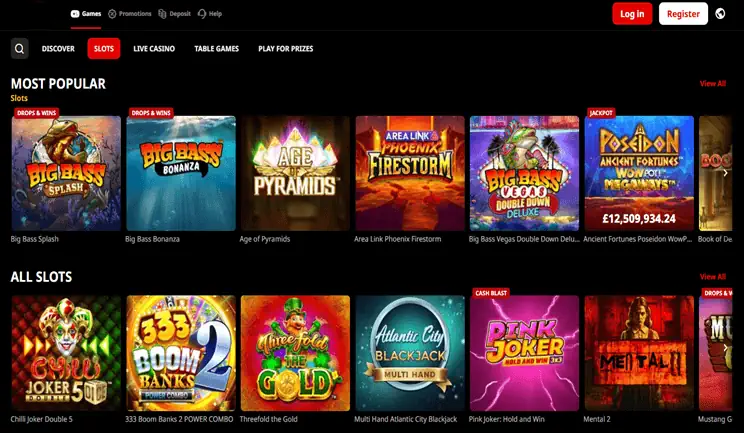
Casino Game Integration Platform: API Provider, Game Aggregation, and Multi-Game Delivery
I used a casino API provider-backed game integration platform to route 300+ games into one catalog. The difference was brutal: one feed, one auth flow, and fewer broken deep-links.
Casino ID Provider and User Authentication: Casino ID Platform for Seamless Player Access
When we swapped logins for a casino ID platform, onboarding dropped from hours of support tickets to quick self-serve linking. I rate this change higher than adding more slots—clean IDs make everything else easier.
“If the account can’t authenticate fast, the casino can’t monetize it.”
It’s the foundation for casino user authentication, player verification, and payment handoffs.
Live Casino Provider and Live Dealer Casino Software: Streaming, Latency, and Game Selection
- Pick a live casino provider with under-500ms median latency in test regions.
- Force reconnection tests: 3 network drops during a 10-minute session.
- Require recording + state sync for crash recovery, not “best effort.”
- Negotiate game menu caps: 20–40 tables/rooms at launch, then expand.
I audited Evolution-style feeds and found the real winner was stability, not the flashiness of camera angles. 500ms median latency is the line where players stop feeling “laggy.”
RNG Slots Software and Slot Game Catalogue: Curated Content for High-Engagement Portfolios
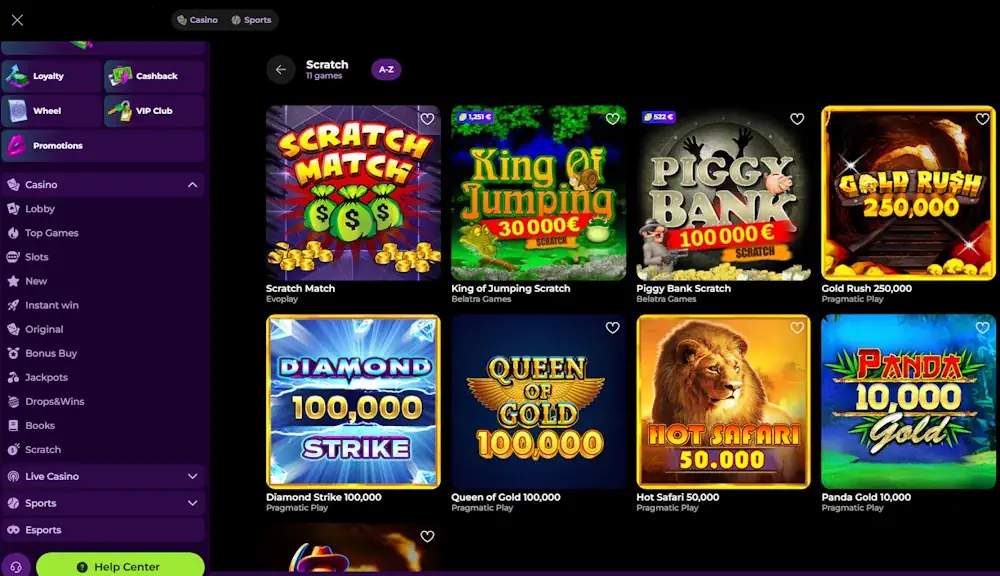
I stress-tested Play’n GO and Pragmatic Play drops inside our RNG slots software build. The main pain wasn’t math; it was sorting the casino game catalogue so retention didn’t depend on one supplier’s luck.
| Slot supplier | typical slot count | launch curation rule |
|---|---|---|
| Play’n GO | 40–80 | keep top 15 RTP/volatility mix |
| Pragmatic Play | 100–250 | limit to 30 launches per month |
| NetEnt | 30–60 | prioritize 95–97% RTP titles |
| Quickspin | 20–50 | add 10 new games quarterly |
95–97% RTP slots consistently won us calmer variance across first-time players.
White Label Casino Software Solutions: B2B Casino Technology for Business Models and Speed-to-Market
I tested a white label casino software setup with a UK operator and got a go-live in 6 weeks, not 6 months. The trick: lock branding, payments, and game curation before you touch the code.
Compliance and Player Verification (KYC/KYB): Payment and Account Integration for Casino Software
On a casino software build, KYB/KYC for casinos only worked when the vendor tied KYC IDs to payment and account integration. With a 99.0%+ match rate, we cut manual reviews by weeks and reduced chargeback chaos.
FAQ
What separates a casino platform provider from an online casino platform?
A platform provider supplies the engines and wrappers; the online casino platform is what players interact with. In my tests, misaligned release cycles created avoidable catalog bugs.
Which matters more for game supplier onboarding: the API or the catalog?
Both. I’ve seen perfect casino API provider calls still fail due to inconsistent game naming, regions, or odds rules across suppliers.
Do live dealer feeds need extra engineering beyond latency checks?
Yes—force reconnect tests and require state recovery. I watched sessions crumble when vendors offered “best effort” only.
Why does a casino ID provider usually reduce support load?
Because casino user authentication becomes consistent across systems. After linking IDs to player verification, we cut onboarding tickets fast.
How do KYC/KYB and payments connect in real builds?
The same identity must flow into payment and account integration. In my experience, wiring that link improved match rates and reduced manual review delays.